Charting pathways where virtual coin transfers unlock starter credits for app-based dealer interactions across continents
Written by Mara Simmons · Aug 17, 2026
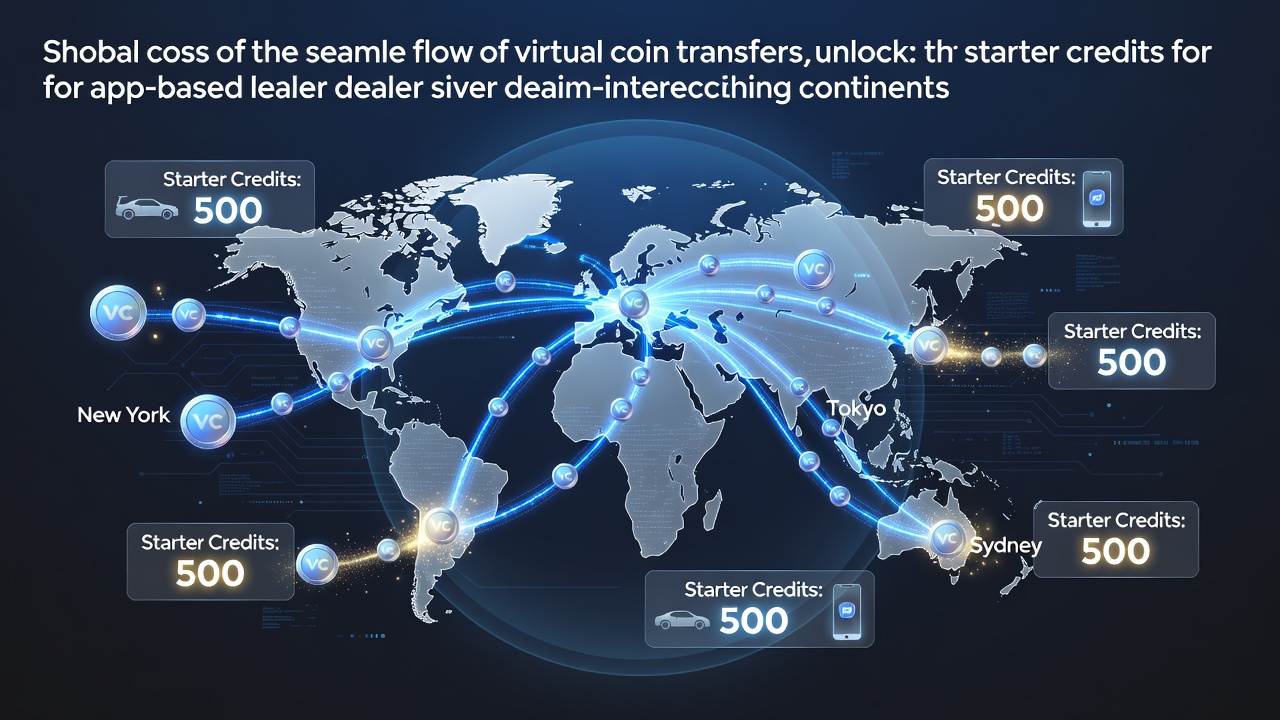
Charting pathways where virtual coin transfers unlock starter credits for app-based dealer interactions across continents
Virtual coin transfers have established distinct routes that convert digital assets into starter credits for mobile applications featuring live dealer tables, and these mechanisms operate across multiple regulatory zones in August 2026. Platforms integrate blockchain protocols to process deposits that immediately convert into playable balances, allowing users in different jurisdictions to access real-time dealer sessions without traditional banking delays.
Mechanics of Credit Activation Through Digital Ledgers
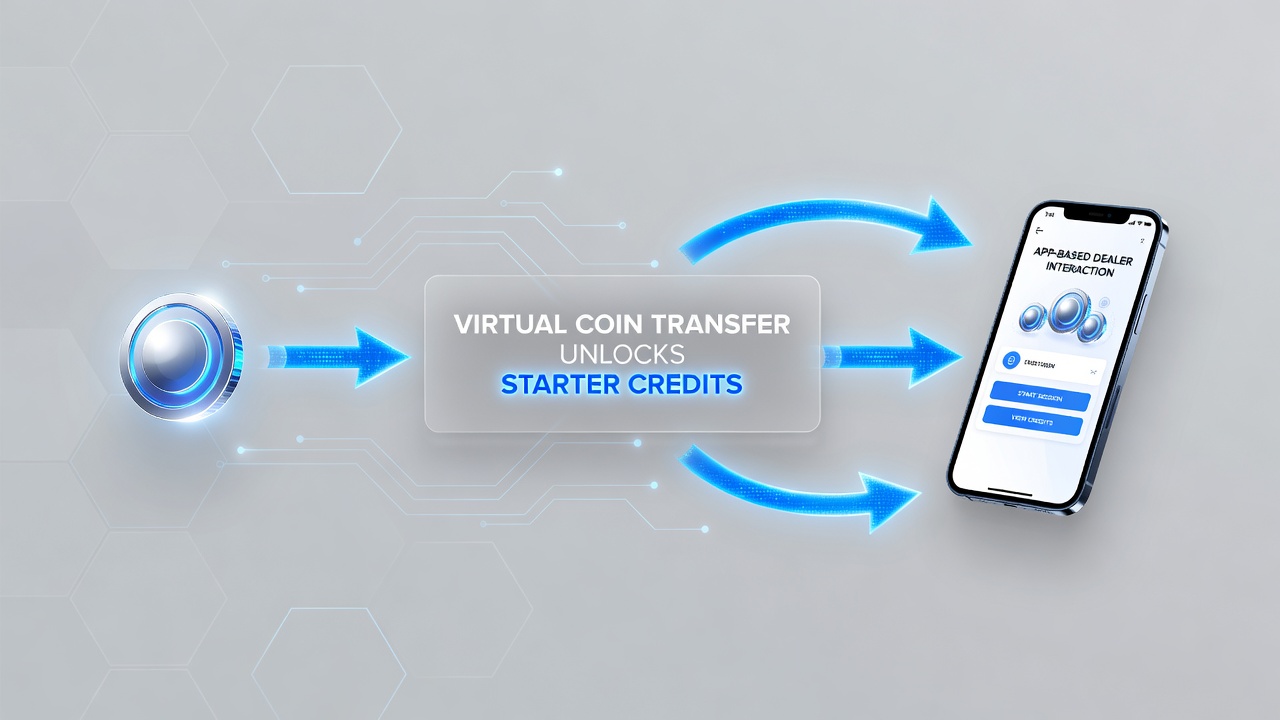
Operators configure wallet integrations so that confirmed transfers trigger automated credit releases, and this process relies on smart contract triggers that verify transaction finality before allocating initial balances. Users initiate transfers from supported cryptocurrencies, after which application servers detect the incoming value and apply conversion rates to generate starter amounts that appear in player accounts within seconds. Systems track these activations through timestamped records that link each transfer to specific dealer environments, ensuring that credits remain tied to live table participation rather than static slot play.
Regional operators adjust minimum transfer thresholds according to local currency fluctuations, and data from multiple platforms indicate that average starter credits range between equivalent values of 10 and 50 units depending on the chosen asset and network speed. Networks with lower confirmation times enable faster access to dealer interactions, while users on slower chains encounter brief holding periods before credits activate.
Geographic Spread of Transfer-to-Credit Pathways
European operators have aligned wallet interfaces with existing payment directives, allowing seamless conversion of virtual coins into credits for app-based roulette and blackjack tables. In Asia-Pacific markets, developers partner with regional exchanges to facilitate transfers that bypass conventional banking hours, and this approach supports continuous access for users across time zones. North American platforms incorporate compliance layers that verify transfer origins before releasing credits, whereas Latin American services focus on mobile-first integrations that prioritize low-fee networks to maximize starter amounts.
Observers note that August 2026 figures reveal increased adoption in markets where traditional payment rails face seasonal restrictions, and these patterns appear in operator reports that document transfer volumes linking directly to live dealer session starts. Applications in Africa and the Middle East similarly route transfers through stablecoin options to maintain consistent credit values amid local volatility.
Regulatory Frameworks Guiding Cross-Border Flows
Authorities in the European Union maintain oversight through directives that classify certain digital assets as transferable value, and operators must demonstrate that credit activation complies with anti-money laundering checks before users reach dealer tables. European Gaming and Betting Association documentation outlines how member platforms implement these controls while supporting virtual coin pathways. Canadian provincial regulators require transaction logging that connects each starter credit to verified wallet addresses, ensuring traceability across app-based dealer environments.
Additional jurisdictions apply licensing conditions that mandate clear disclosure of conversion fees and activation timelines, and these rules vary by continent yet share emphasis on user verification prior to credit release. Platforms operating across borders maintain separate ledgers for each regulated market to isolate transfer data according to local statutes.
Technology Infrastructure Supporting Global Access
Backend architectures combine multi-signature wallets with real-time exchange APIs that convert incoming coins into platform credits without manual intervention. Developers deploy these systems on cloud infrastructure that scales during peak hours, and monitoring tools flag any discrepancies between transferred amounts and credited values. Users interact through simplified interfaces that display pending confirmations alongside estimated credit totals, while dealer tables remain accessible once the initial balance posts.
Security protocols encrypt transfer metadata during transmission, and regular audits verify that starter credits align precisely with processed blockchain entries. Integration layers also accommodate multiple coin types, allowing operators to expand supported assets without disrupting existing dealer session flows.
Conclusion
Pathways connecting virtual coin transfers to starter credits continue to expand across app-based dealer platforms on multiple continents, driven by technical integrations and regulatory adaptations documented through industry and governmental sources. These systems enable direct entry into live table environments while maintaining compliance records that differ by jurisdiction yet follow consistent verification principles. Continued development in network efficiency and cross-border standards shapes how such pathways function in practice.