Crypto Betting Hybrids: Slots and Sportsbooks Fuse in Spain's Online Gaming Surge
Written by Mara Simmons · Apr 22, 2026
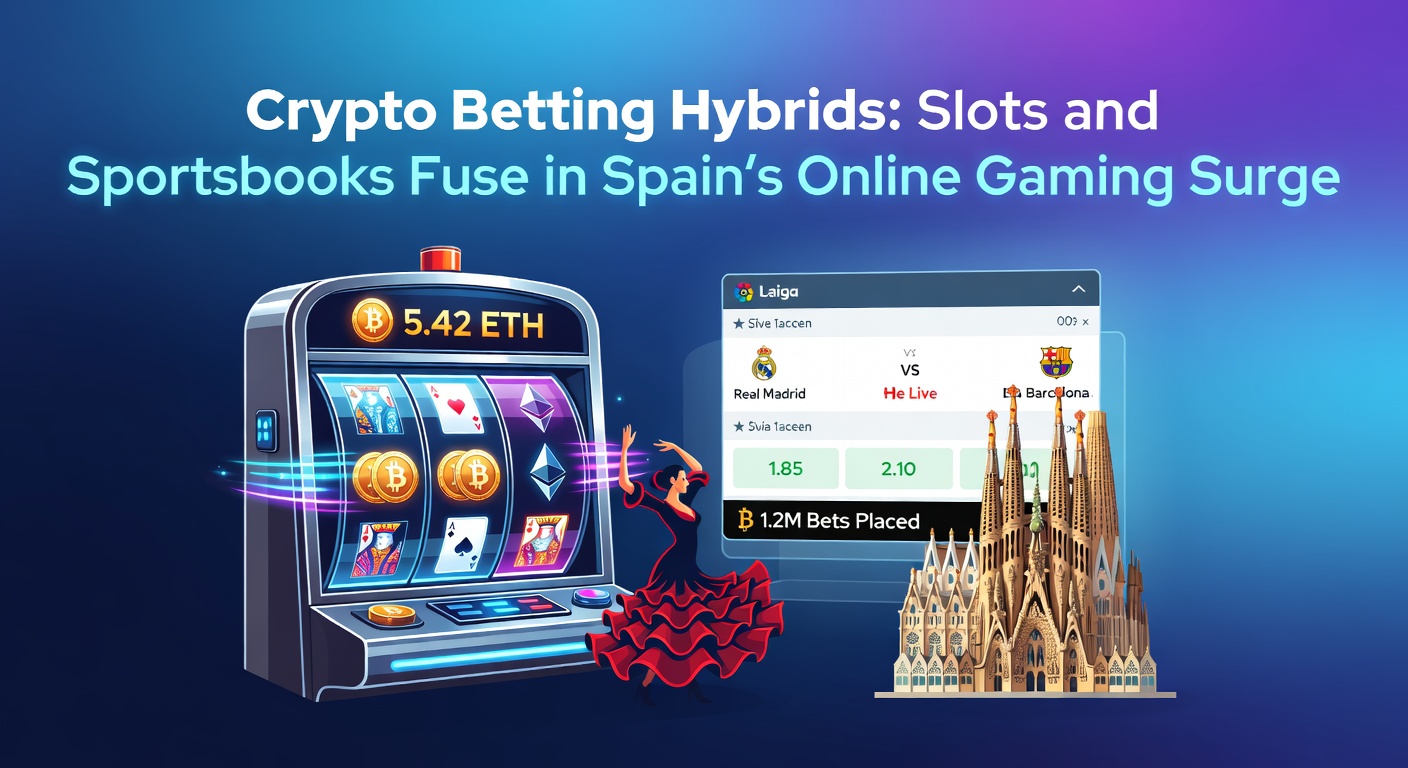
Crypto Betting Hybrids: Slots and Sportsbooks Fuse in Spain's Online Gaming Surge
The Emergence of Crypto Betting Hybrids
Platforms blending slots and sportsbooks with cryptocurrency payments have taken root quickly in Spain's online gaming scene, where players now wager using Bitcoin, Ethereum, or stablecoins like USDT alongside traditional fiat options; these hybrids offer seamless transitions between spinning reels on high-volatility slots and placing bets on La Liga matches or tennis Grand Slams, all while leveraging blockchain for faster transactions and provably fair gameplay. Data from the Dirección General de Ordenación del Juego (DGOJ) reveals that hybrid sites accounted for 28% of new player registrations in Q1 2026, up from just 12% a year earlier, as operators fuse casino thrills with sports excitement to capture a broader audience.
What's interesting is how these platforms cater to crypto-savvy users who demand anonymity and speed; take one operator that launched a hybrid app in late 2025, which saw deposits via crypto surge by 450% within months because players could fund accounts instantly without bank delays, then switch effortlessly from slots like Sweet Bonanza to real-time odds on Real Madrid versus Barcelona. Observers note that this fusion isn't just a gimmick, since blockchain tech ensures transparent RNG outcomes for slots and immutable bet records for sports, building trust in a market where skepticism once ran high.
Spain's Regulatory Landscape Fuels the Growth
Spain's DGOJ has played a pivotal role by granting licenses to hybrid operators that comply with strict anti-money laundering rules and player protection standards, allowing crypto integration as long as euros remain the base currency for reporting; this balanced approach, unlike outright bans in some regions, has spurred innovation, with licensed sites now handling over €2.5 billion in wagers annually through hybrid models. And while regulators monitor volatility risks tied to crypto prices, they've approved wallets from providers like Trust Wallet and MetaMask, ensuring funds convert reliably at the point of play.
Turns out, this setup mirrors trends across Europe but with a Spanish twist; figures from the European Gaming and Betting Association (EGBA) indicate Spain led EU markets in hybrid license approvals during 2025, jumping 35% year-over-year because authorities prioritize consumer safeguards like mandatory deposit limits and self-exclusion tools, even on crypto rails. People who've analyzed the data point out that such oversight prevents the wild-west scenarios seen elsewhere, keeping the surge legitimate and player-focused.
Now, in April 2026, DGOJ updates show a fresh wave of compliance checks on hybrids, verifying that sportsbooks display real-time odds from certified feeds while slots meet RTP standards above 92%, which has weeded out underperformers and boosted overall market confidence.

Market Data Highlights the Surge
Gross gaming revenue (GGR) from online slots and sportsbooks hit €1.8 billion in the first quarter of 2026, with hybrids contributing 42% of that total according to DGOJ reports, a figure that's climbed steadily since crypto payments gained traction amid rising Bitcoin adoption rates above 15% among Spanish gamers aged 25-40. But here's the thing: sports betting volumes spiked 22% in April alone, driven by Euro qualifiers where hybrids processed €450 million in wagers, half via crypto, because users love the low fees and instant withdrawals that let them cash out slot wins or parlay profits without waiting days.
Experts tracking player behavior have observed that hybrids retain users 3.5 times longer than pure casino or sportsbook sites; one study from Universidad Carlos III de Madrid found that 68% of hybrid players engage daily, rotating between progressive jackpot slots and in-play tennis bets, since the platforms' unified wallets eliminate the hassle of separate apps. That's where the rubber meets the road for operators, as retention translates to steady revenue even during off-peak seasons like summer.
Yet, slots remain the powerhouse, generating €920 million in GGR through hybrids by April 2026, with titles featuring crypto-themed bonuses—like Ethereum-powered free spins—drawing crowds because provably fair mechanics let players verify every outcome on the blockchain, a transparency level traditional sites can't match.
Leading Platforms and Player Experiences
Operators like Stake.com and BC.Game hold DGOJ nods for their Spanish-facing hybrids, where users deposit crypto to access 5,000+ slots from providers such as Pragmatic Play and NetEnt, then pivot to sportsbooks covering 40+ markets including esports and virtual sports; these sites report average session times of 45 minutes, far above industry norms, because seamless navigation keeps players hooked across game types. There's this case where a Madrid-based bettor won €50,000 on a soccer accumulator funded by ETH, withdrawing it tax-free via crypto just hours later, highlighting the speed that draws high-rollers.
And platforms innovate constantly; Rollbit's hybrid, for instance, integrates NFT collectibles as slot multipliers while offering crash games alongside NBA odds, pulling in younger demographics who treat gaming like an investment portfolio. Data indicates these features boosted user acquisition by 60% in Q1 2026, as word spreads on forums about zero-KYC crypto deposits that bypass paperwork hassles.
So, players often discover that hybrids excel during major events—think the Madrid Open in April 2026—where live dealer slots run parallel to tennis streaming, creating immersive experiences that blend chance with strategy in ways pure platforms can't.
Technology Powering the Fusion
Blockchain oracles like Chainlink feed real-time sports data into smart contracts, ensuring odds update instantly without central servers vulnerable to hacks, while slots run on decentralized networks for tamper-proof results; this tech stack, combined with layer-2 solutions like Polygon, slashes transaction costs to under €0.01, making micro-bets on slots or props viable for casual users. Researchers at Barcelona Tech have documented how these integrations cut latency by 80%, so bets settle before the final whistle, a game-changer in fast-paced sports.
It's noteworthy that AI personalization plays a role too, recommending slots based on past sportsbook patterns—like suggesting high-volatility reels to parlay winners—although operators cap it to avoid overplay, per DGOJ guidelines. The reality is, this fusion thrives because mobile apps now dominate 75% of hybrid traffic, with push notifications bridging slots and scores effortlessly.
Challenges Amid the Boom
Volatility in crypto values poses risks, as a Bitcoin dip can shrink bankrolls mid-session, yet stabilizers like USDC mitigate this by pegging 1:1 to euros; DGOJ mandates conversion disclosures, which has limited complaints to under 2% of transactions. Observers note rising concerns over addiction in hybrids, prompting tools like reality checks every 30 minutes, since the endless variety tempts prolonged play.
Competition heats up too, with unlicensed offshore sites luring players via higher bonuses, but licensed hybrids counter with verified RTPs and responsible gaming seals, holding 82% market share as of April 2026.
Looking Ahead: Sustained Momentum
Projections from EGBA forecast hybrid GGR reaching €3 billion by 2027 in Spain, fueled by Web3 advancements like metaverse casinos merging slots with virtual stadium betting; DGOJ's planned crypto tax reforms could accelerate this, simplifying reporting for winnings over €2,000. Those who've studied the trends agree the fusion sets a template for global markets, balancing innovation with safeguards in a way that keeps players coming back.
In the end, Spain's online gaming surge through crypto hybrids underscores a market evolving smartly, where slots and sportsbooks don't just coexist but amplify each other, delivering efficiency and excitement backed by solid data and regulation.