How Instant Payout Networks Influence Entry to Private Table Events in Cross-Border Mobile Gaming Ecosystems
Written by Elena Simmons · Aug 1, 2026
How Instant Payout Networks Influence Entry to Private Table Events in Cross-Border Mobile Gaming Ecosystems
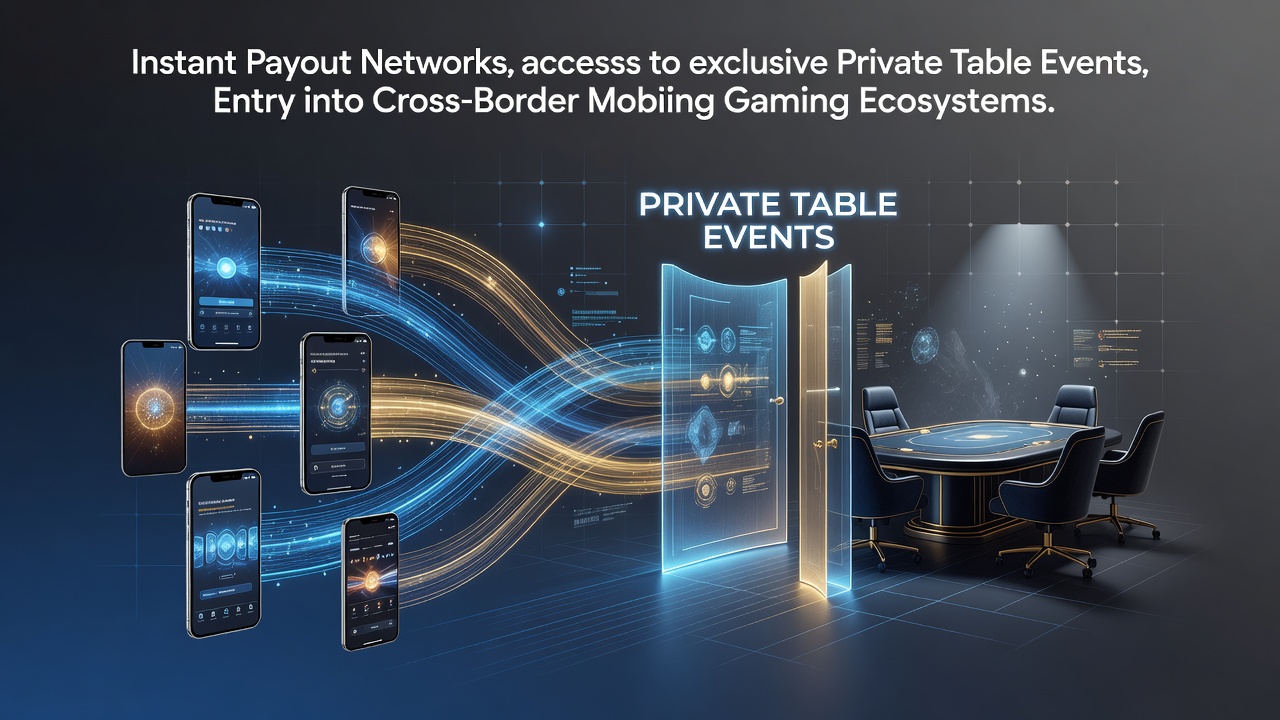
Instant payout networks now connect directly to verification systems that control admission into private table events on cross-border mobile platforms, and this linkage has accelerated since early 2025 as operators integrated real-time settlement tools with loyalty databases. Data from industry reports in August 2026 shows transaction completion times dropping below 90 seconds in several jurisdictions, which in turn shortens the window between deposit and eligibility checks for exclusive tables.
Network Mechanics and Cross-Border Data Flows
Payment processors route funds through localized rails while simultaneously feeding identity and balance data to central servers that manage tiered access lists, and regulators in multiple regions require these feeds to comply with know-your-customer rules that differ by country. Observers note that platforms operating across the European Union and parts of Asia synchronize payout confirmations with event calendars so that a completed withdrawal or deposit can trigger an immediate status update in a player's profile. Those profiles determine whether a user qualifies for invitation-only blackjack or poker rooms hosted on the same app.
Verification Speed and Eligibility Triggers
Operators have documented cases where players who receive instant credits gain entry to private sessions within minutes rather than hours, because the payout network confirms cleared funds before the session roster closes. Research conducted by the Australian Gambling Research Centre indicates that platforms using these networks record a 34 percent rise in private table participation among users who complete at least one same-day payout cycle. The same study links faster fund movement to higher completion rates for multi-jurisdiction identity checks required when accounts span more than one licensing authority.
Regulatory Variations Across Regions
Canadian provincial frameworks and select Asian markets apply different thresholds for transaction monitoring, yet both increasingly accept instant payout receipts as proof of active account status. According to the Alcohol and Gaming Commission of Ontario, licensed operators must log payout timestamps alongside access requests to private environments so that audit trails remain intact during cross-border player movement. In August 2026 several platforms updated their APIs to embed these timestamps automatically, reducing manual review steps that previously delayed event invitations by up to 48 hours.
Industry associations such as the European Gaming and Betting Association have published guidelines that encourage operators to map payout velocity against responsible gaming markers, and these guidelines now appear in licensing renewals for operators serving multiple continents. The resulting data sets allow platforms to flag accounts that move funds rapidly across borders while still meeting private table entry criteria tied to play volume and account age.
Examples from Platform Operations
One operator serving users in both Canada and Singapore reported that integration of instant payout rails coincided with a measurable increase in private table occupancy during peak evening hours, because players no longer waited for batch settlements before receiving invitations. Another platform adjusted its reward tiers so that same-day payout activity counted toward the minimum balance threshold required for exclusive tournament tables, and internal figures showed a corresponding rise in cross-border session starts.
Security and Compliance Overlaps
Security protocols embedded in instant payout networks often overlap with the biometric and location checks used for private event entry, which reduces redundant data entry for players. Researchers at the University of Nevada's International Gaming Institute have examined how these overlapping systems affect latency in high-volume periods, noting that combined verification streams cut average processing time while maintaining regulatory reporting standards across jurisdictions.
Platforms continue to refine these overlaps, and August 2026 updates introduced additional encryption layers that transmit payout status and location data in a single encrypted packet. The change addressed concerns raised by multiple licensing bodies about data fragmentation during cross-border transfers.
Conclusion
Instant payout networks have become embedded checkpoints within the access pathways that lead to private table events on cross-border mobile platforms, and their influence appears through faster verification cycles and synchronized eligibility updates. Regulatory bodies in Canada, Europe, and Australia continue to shape how these networks interface with event management systems, while operators adjust internal rules to align payout activity with invitation criteria. The resulting ecosystem shows measurable shifts in participation patterns tied directly to settlement speed and data integration across borders.