How Regional Regulatory Shifts Influence Crypto Integration Patterns Within Live Dealer Sportsbook Hybrids Across Borderless Digital Platforms
Written by Carlo Albrecht · Aug 26, 2026

How Regional Regulatory Shifts Influence Crypto Integration Patterns Within Live Dealer Sportsbook Hybrids Across Borderless Digital Platforms
Regional regulatory shifts have reshaped crypto integration patterns in live dealer sportsbook hybrids operating on borderless digital platforms, and data from multiple jurisdictions shows operators adapting transaction flows and wallet structures in response to new compliance layers that emerged through 2025 and into August 2026. European authorities introduced updated directives on digital asset transfers that required platforms to embed real-time verification protocols, while Asian markets implemented licensing frameworks that tied crypto usage to localized banking partnerships. These changes created distinct integration clusters where certain regions favored stablecoin pairings for live dealer sessions and others restricted direct wallet access in hybrid sportsbook environments.
European Framework Adjustments and Platform Responses
European regulators expanded oversight of virtual asset service providers in late 2025, which prompted hybrid platforms to reroute crypto inflows through licensed custodians before they reached live dealer interfaces, and this adjustment reduced direct peer-to-peer transfers in favor of segregated accounts that maintained audit trails across multiple member states. Observers note that operators serving borderless audiences began segmenting user flows based on residency data, directing European traffic toward regulated stablecoin options while preserving broader crypto menus for other markets. Research from the European Securities and Markets Authority indicates transaction volumes in hybrid live dealer sportsbooks stabilized after initial compliance costs were absorbed, with platforms reporting higher retention when crypto options aligned with the new verification standards.
Asian Licensing Models and Crypto Routing Changes
Asian jurisdictions rolled out tiered licensing that conditioned crypto acceptance on partnerships with domestic financial institutions, leading many live dealer sportsbook hybrids to integrate regional gateways that convert digital assets into localized payment rails before settlement. Platforms operating across these markets adjusted their backend architecture so that users from regulated Asian territories encountered fewer direct wallet options and more hybrid conversion steps, whereas traffic from less restrictive zones retained seamless crypto access. Figures released by industry monitoring groups in mid-2026 reveal that these routing modifications increased processing times by modest margins yet supported sustained growth in live dealer engagement where operators maintained transparent fee disclosures.
North American and Australian Market Divergence
North American provinces and Australian states advanced separate approval pathways for digital asset integration that emphasized player fund segregation and transaction reporting, which encouraged hybrid platforms to deploy region-specific API layers within their sportsbook and live dealer modules. Data shows operators prioritized multi-currency dashboards that automatically applied the strictest applicable rules based on detected location, resulting in crypto patterns that varied sharply even among users on the same borderless platform. One study from the Australian Gambling Research Centre highlighted how these location-aware systems helped maintain compliance without fragmenting the overall user experience across live dealer and sports betting sections.
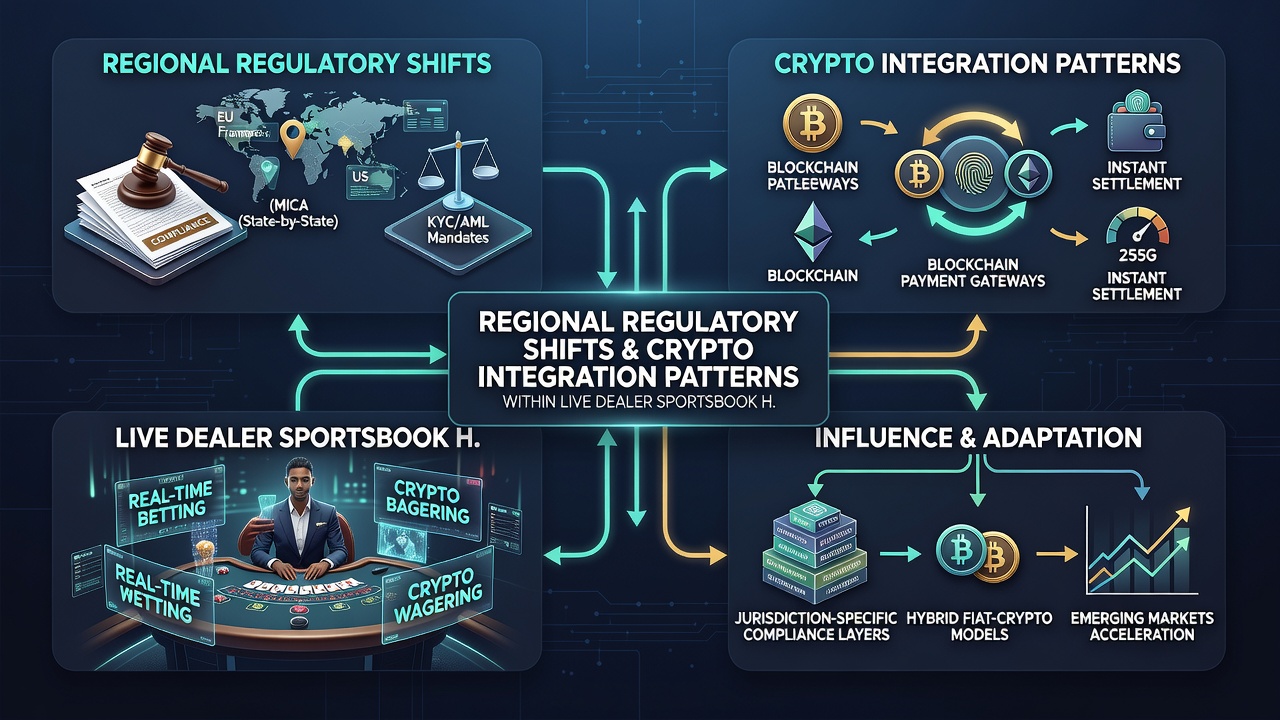
Platforms responded by developing modular compliance engines that toggled crypto features on or off according to regulatory triggers, and this approach allowed single-codebase applications to serve diverse audiences without violating local mandates. In August 2026 several borderless operators updated their systems to include automated jurisdiction checks at the point of deposit, which further refined how crypto entered live dealer environments and hybrid sportsbook wallets.
Cross-Border Platform Adaptations
Borderless digital platforms integrated geofencing tools with crypto ledger monitoring to align with shifting rules, and those who studied transaction logs found that live dealer sessions increasingly relied on prepaid crypto vouchers in heavily regulated zones while direct wallet funding persisted in more permissive areas. Industry associations tracking these patterns reported that hybrid models combining sportsbooks with live dealer tables adapted faster when they maintained separate liquidity pools for different regulatory clusters. The result has been a patchwork of integration styles where the same platform presents varied crypto menus depending on user origin and current licensing requirements.
Conclusion
Regional regulatory shifts continue to drive differentiated crypto integration patterns across live dealer sportsbook hybrids on borderless platforms, with operators relying on adaptive technology stacks and segmented user pathways to remain compliant while preserving functionality. Evidence from multiple oversight bodies demonstrates that platforms capable of dynamic routing and verification adjustments sustain broader market access even as individual jurisdictions refine their digital asset policies. These developments underscore how regulatory evolution shapes the operational landscape for crypto-enabled gaming environments in 2026 and beyond.