How Swipe Gestures on Portable Devices Correlate with Unlocking Layered Incentive Structures in Worldwide Digital Wagering Networks
Written by Mia Wolf · Aug 22, 2026
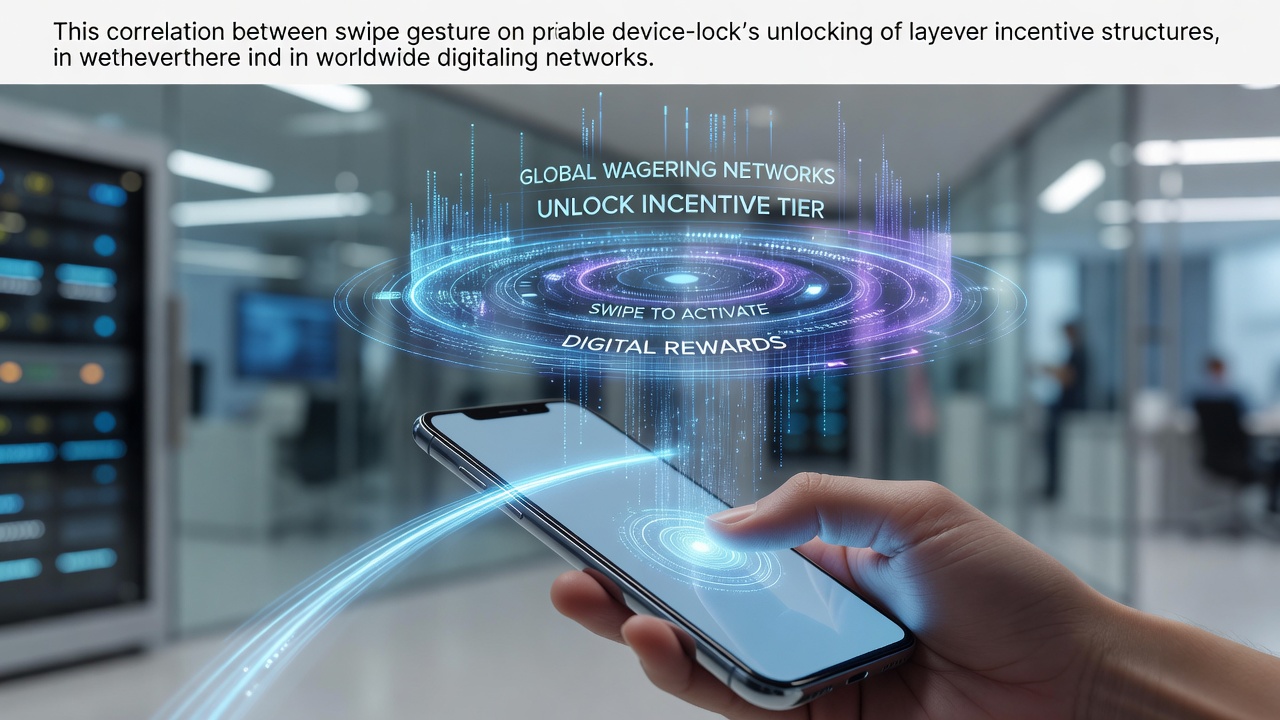
How Swipe Gestures on Portable Devices Correlate with Unlocking Layered Incentive Structures in Worldwide Digital Wagering Networks
Portable devices have become central to digital wagering networks where swipe gestures serve as primary navigation tools that users employ to access various sections of betting applications and these interactions often align with systems designed to release incentives in progressive layers. Data from multiple regions shows that mobile platforms integrate gesture recognition to monitor user behavior while simultaneously gating rewards behind specific action sequences such as repeated swipes that reveal hidden menus or activate bonus rounds.
Mobile Gesture Mechanics in Global Wagering Applications
Application developers implement swipe patterns that range from simple left-to-right motions for scrolling through betting markets to more complex multi-finger gestures that unlock advanced features and these mechanics appear consistently across platforms operating in North America, Europe, and Asia-Pacific markets. Studies indicate that swipe frequency correlates with session duration because longer interactions allow the system to present escalating incentive tiers such as loyalty points that accumulate only after a defined number of qualifying gestures occur within a single login period.
Observers note that in August 2026 several major operators updated their mobile interfaces to refine swipe sensitivity which resulted in measurable shifts in how users progressed through reward pathways. Figures from industry tracking services reveal that applications employing adaptive gesture thresholds saw increased engagement rates compared with static designs because the system adjusts difficulty based on prior user patterns recorded over multiple sessions.
Layered Incentive Structures and User Interaction Data
Worldwide digital wagering networks typically organize incentives into tiers that require cumulative actions before higher-level benefits become available and swipe data feeds directly into these calculations. Researchers have documented cases where consecutive swipe sequences trigger eligibility for promotional events while isolated gestures contribute to baseline tracking metrics that determine long-term user classification within loyalty frameworks.
One analysis of app telemetry from operators in Canada and Australia demonstrated that users who completed at least fifteen qualifying swipes per day accessed mid-tier rewards at higher rates than those with lower gesture counts. This pattern holds across sportsbooks and casino-style applications where the interface uses gesture completion as a proxy for engagement depth.

Regional Variations in Gesture-Driven Reward Systems
Regulatory environments influence how operators link swipe gestures to incentive layers with North American platforms often emphasizing compliance logging of all interactions while European systems incorporate additional data protection measures around gesture analytics. Reports from the American Gaming Association indicate that mobile wagering volumes continued to rise through mid-2026 with gesture-based features cited as contributors to user retention in several state markets.
Meanwhile platforms in Asia-Pacific regions have adopted swipe mechanics that integrate with local payment preferences creating pathways where gesture completion directly affects eligibility for region-specific promotions. Data compiled by academic groups at institutions studying digital entertainment economics shows consistent correlations between gesture volume and tier advancement although the strength of these relationships varies by application design and jurisdictional rules.
Technical Implementation Across Networks
Backend systems in multinational wagering networks aggregate swipe data alongside other behavioral signals to determine when layered incentives activate and this process relies on real-time processing that evaluates gesture accuracy, speed, and context within the current session. Developers employ machine learning models trained on historical interaction logs to predict which users are likely to reach the next incentive tier based on their swipe profiles.
Case examples from operators in multiple jurisdictions illustrate how minor adjustments to gesture recognition thresholds produced measurable changes in reward distribution rates. These modifications occurred without altering the visible interface yet influenced how quickly users progressed through the layered structures embedded in the applications.
Conclusion
Evidence gathered across global digital wagering networks demonstrates that swipe gestures on portable devices function as measurable inputs that influence access to layered incentive structures. The correlation appears through aggregated usage data that operators employ to calibrate reward delivery while regulatory frameworks shape the extent and manner of this implementation. Continued evolution of mobile interfaces suggests that gesture-based mechanics will remain integral to how users navigate and unlock benefits within these systems.