Intersections of Mobile Interface Design and Cryptocurrency Payment Integration in Shaping Live Table Game Preferences Among Global Users
Written by Carlo Albrecht · Aug 19, 2026
Intersections of Mobile Interface Design and Cryptocurrency Payment Integration in Shaping Live Table Game Preferences Among Global Users
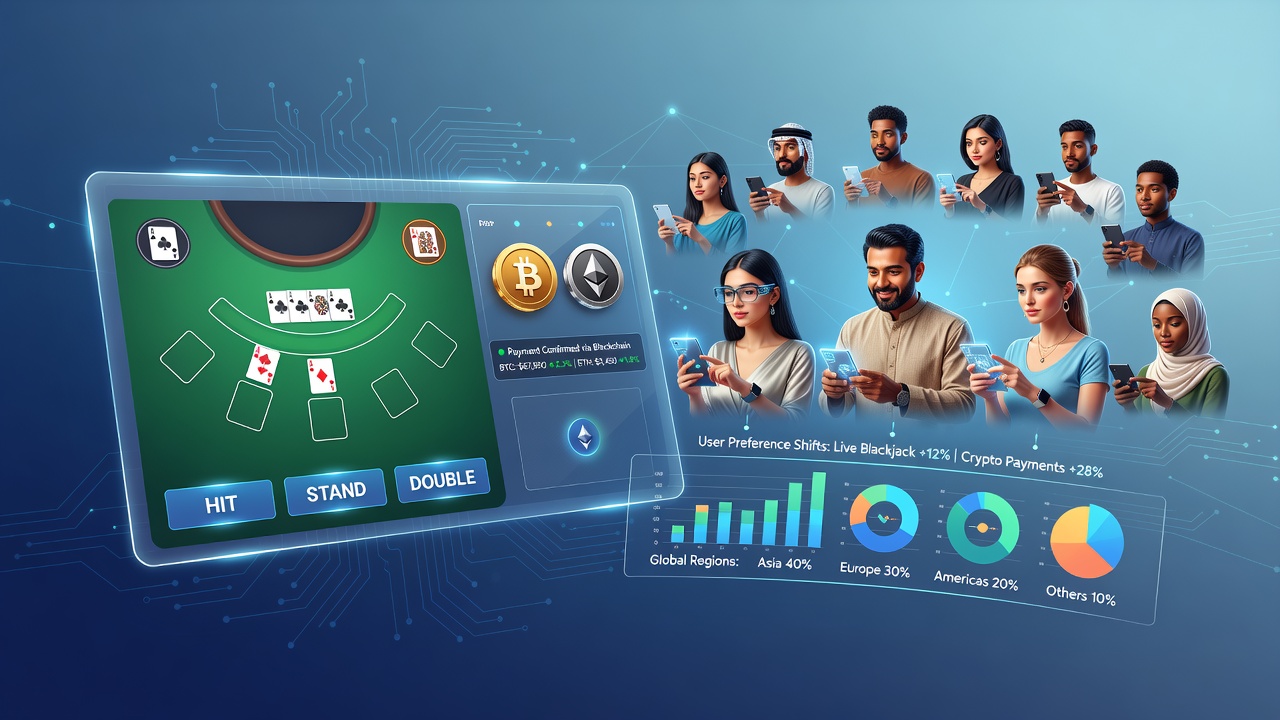
Live table games on mobile platforms have seen measurable shifts in user engagement patterns as developers refine touch-based navigation systems alongside blockchain-enabled transaction flows, according to industry tracking reports from August 2026. Designers prioritize gesture controls that allow seamless card handling and chip placement during real-time dealer interactions, while cryptocurrency gateways reduce processing delays that once interrupted play sessions. Data from multiple markets shows these combined features influence selection rates for variants such as European roulette and Texas hold'em over traditional offerings.
Mobile Interface Adaptations for Live Dealer Environments
Interface teams at major platforms concentrate on responsive layouts that adjust video feeds and betting panels to different screen sizes, creating consistent experiences across devices. Swipe mechanics replace button presses in many applications, enabling faster raises or folds without disrupting the visual stream from physical tables. Observers note that color-coded chip stacks and dynamic odds displays help users track multiple active hands, particularly during peak evening hours when server loads increase. Research indicates these elements correlate with extended session durations in regions where 5G coverage expanded during 2025.
Developers incorporate split-screen modes that keep dealer footage visible while transaction confirmations appear in compact overlays, minimizing context switching. Accessibility options such as adjustable text sizes and high-contrast modes further broaden appeal among diverse age groups. Figures from platform analytics reveal higher retention among users who activate these customizations compared with default settings.
Cryptocurrency Payment Pathways and Transaction Efficiency
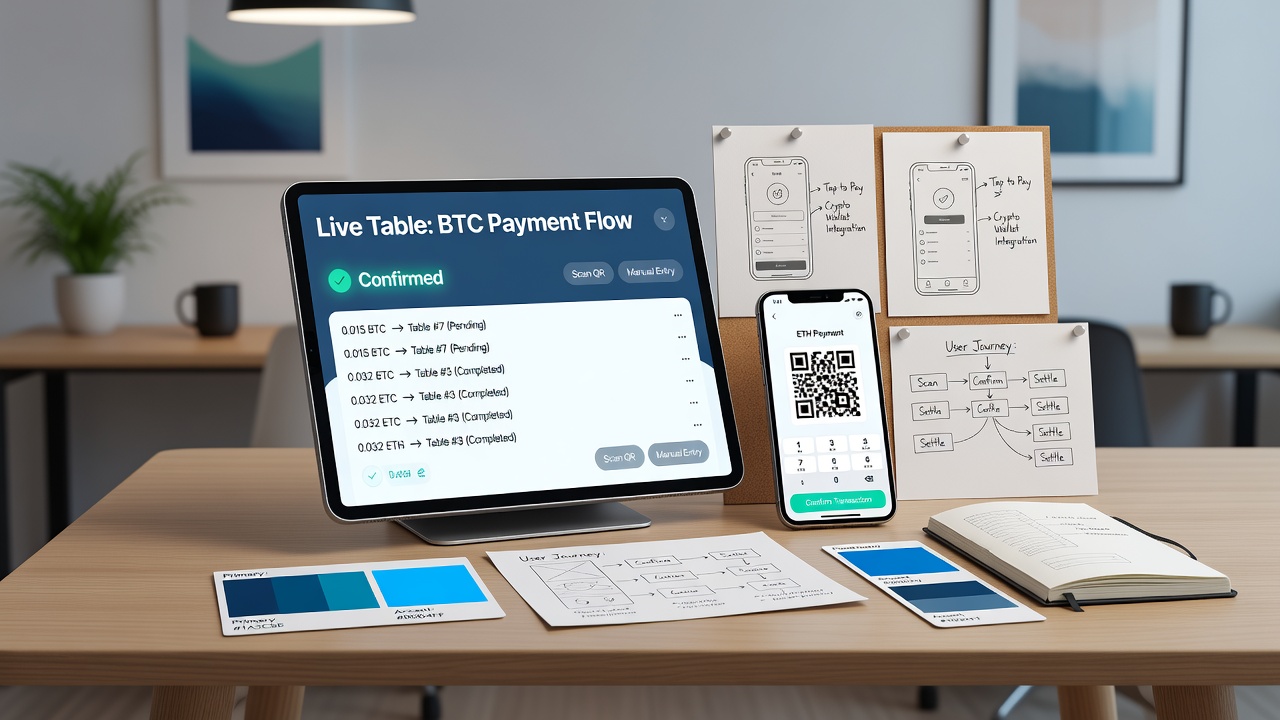
Integration of digital wallets supporting major coins allows deposits that settle in seconds rather than minutes, a change documented in transaction logs across international operators. Users gain access to progressive jackpot tables or private rooms once balances clear on the ledger, removing the authorization holds common with card processors. Global surveys conducted through mid-2026 highlight that platforms offering multi-coin support record elevated participation in live baccarat and blackjack rooms, especially among users in Asia-Pacific and Latin American markets.
Security protocols built into these systems rely on encrypted private keys and two-factor authentication tied to device biometrics, reducing reported incidents of unauthorized access. Regulatory filings from Canadian authorities and Australian oversight bodies confirm that licensed operators must maintain transparent audit trails for crypto inflows, which in turn supports player verification processes. This framework encourages broader adoption without compromising compliance standards.
Combined Effects on User Preferences Across Regions
When interface refinements pair with instant crypto settlements, preference data points toward increased selection of high-stakes live tables that require rapid re-buys. One analysis of user behavior patterns from August 2026 showed spikes in roulette activity on apps featuring one-tap crypto top-ups, whereas slower payment options saw comparatively lower volume in the same period. European operators report similar trends, with mobile-first designs drawing younger demographics who value streamlined navigation over desktop alternatives.
Case examples include platforms that introduced gesture-driven betting alongside stablecoin options, resulting in documented growth for certain table variants. Researchers tracking these developments observe that loyalty tiers unlocked through verified crypto activity further steer choices toward exclusive live dealer events. Patterns emerge consistently across North American and Southeast Asian user bases, where device penetration rates remain high.
Regional Data Trends Observed in 2026
August 2026 metrics compiled by international gaming associations indicate steady expansion in live table mobile traffic where crypto features appear prominently. North American figures show modest gains in blackjack participation linked to interface updates, while comparable reports from regulatory bodies in Canada detail parallel movements in poker room activity. These statistics align with earlier findings from academic reviews of digital ledger adoption in entertainment sectors, underscoring the role of reduced latency in decision-making during live rounds.
Cross-border comparisons reveal that markets with established crypto infrastructure experience faster uptake of mobile-optimized live games. Operators adjust promotional structures accordingly, tying bonus eligibility to verified digital currency transactions processed through the app interface. Such linkages appear in operational summaries released by various licensing jurisdictions outside restricted zones.
Conclusion
Evidence gathered through 2026 demonstrates clear intersections between refined mobile interfaces and cryptocurrency payment systems in directing preferences for live table formats worldwide. Continued monitoring by industry groups and academic institutions will track how these technical elements evolve alongside regulatory updates and infrastructure improvements. Users benefit from the resulting efficiencies, as documented in aggregated platform data and compliance records from multiple regions.