Mapping Reward Pathways: How Digital Ledger Systems Shape Tiered Access in Portable Live Table Environments
Written by Elena Simmons · May 30, 2026
Mapping Reward Pathways: How Digital Ledger Systems Shape Tiered Access in Portable Live Table Environments
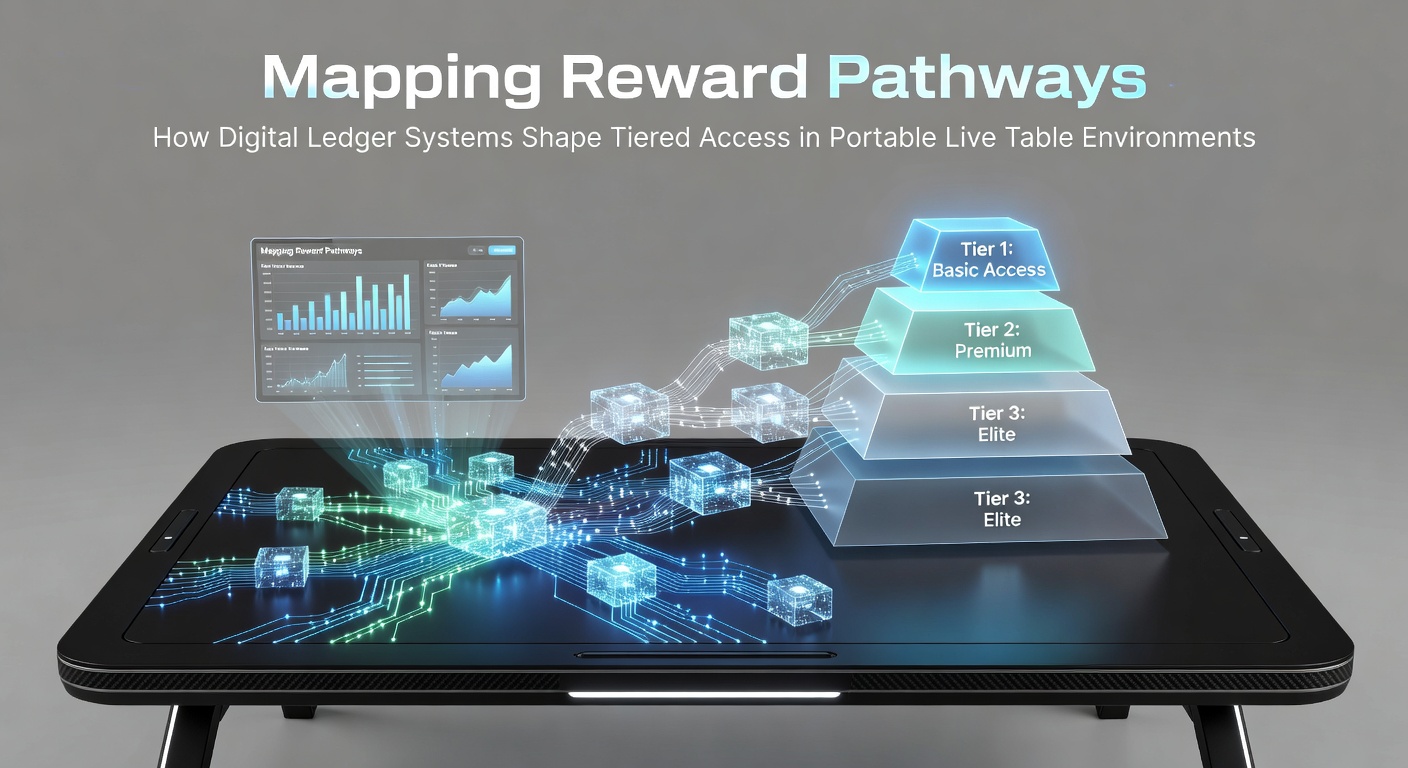
Digital ledger systems record transactions across distributed networks and they create transparent trails for player activity in live table environments that operate on mobile devices. These systems track bets, wins, and loyalty points through immutable entries that update in real time, and operators use this data to assign players to specific access tiers based on accumulated activity metrics. Portable live table environments include mobile apps that stream real dealers for games like blackjack and roulette, while the ledgers ensure every interaction gets logged without central points of failure.Core Mechanisms of Ledger-Based Reward Mapping
Reward pathways emerge when algorithms analyze ledger entries to calculate player value, and this process assigns points that unlock benefits such as higher betting limits or exclusive table access. Data from transaction logs feeds into tier structures that range from basic entry levels to premium categories, and each tier grants different privileges within the portable environment. Researchers have noted that the mapping occurs through smart contracts which automatically adjust rewards once certain thresholds appear in the ledger records.
Portable devices transmit location and session data alongside bet histories, which allows the ledger to verify compliance with regional rules while shaping personalized access paths. Observers note that this integration reduces discrepancies between reported activity and actual play because every entry receives timestamp validation across multiple nodes. In May 2026 several platforms expanded these features to handle increased mobile traffic during peak hours.
Tiered Access Structures and Their Ledger Foundations
Tier progression depends on cumulative ledger data that includes wager volume, session duration, and frequency of live table participation, and higher tiers unlock features like priority dealer selection or reduced latency streams. The systems prevent unauthorized elevation by cross-referencing entries against predefined rules encoded in the ledger protocol. Industry reports indicate that these structures maintain consistency across different portable operating systems because the underlying records remain independent of device hardware.
Examples from Operational Platforms
One platform in North America integrated ledger tracking to manage access during high-demand periods, and this resulted in smoother distribution of premium table seats to qualifying players. Another implementation in Europe used similar records to link reward points directly to live dealer interactions recorded on mobile devices, which allowed automatic tier upgrades without manual review. Data shows that such mappings have supported regulatory audits by providing complete histories that regulators can query directly from the distributed network.
Regulatory and Technical Considerations in 2026
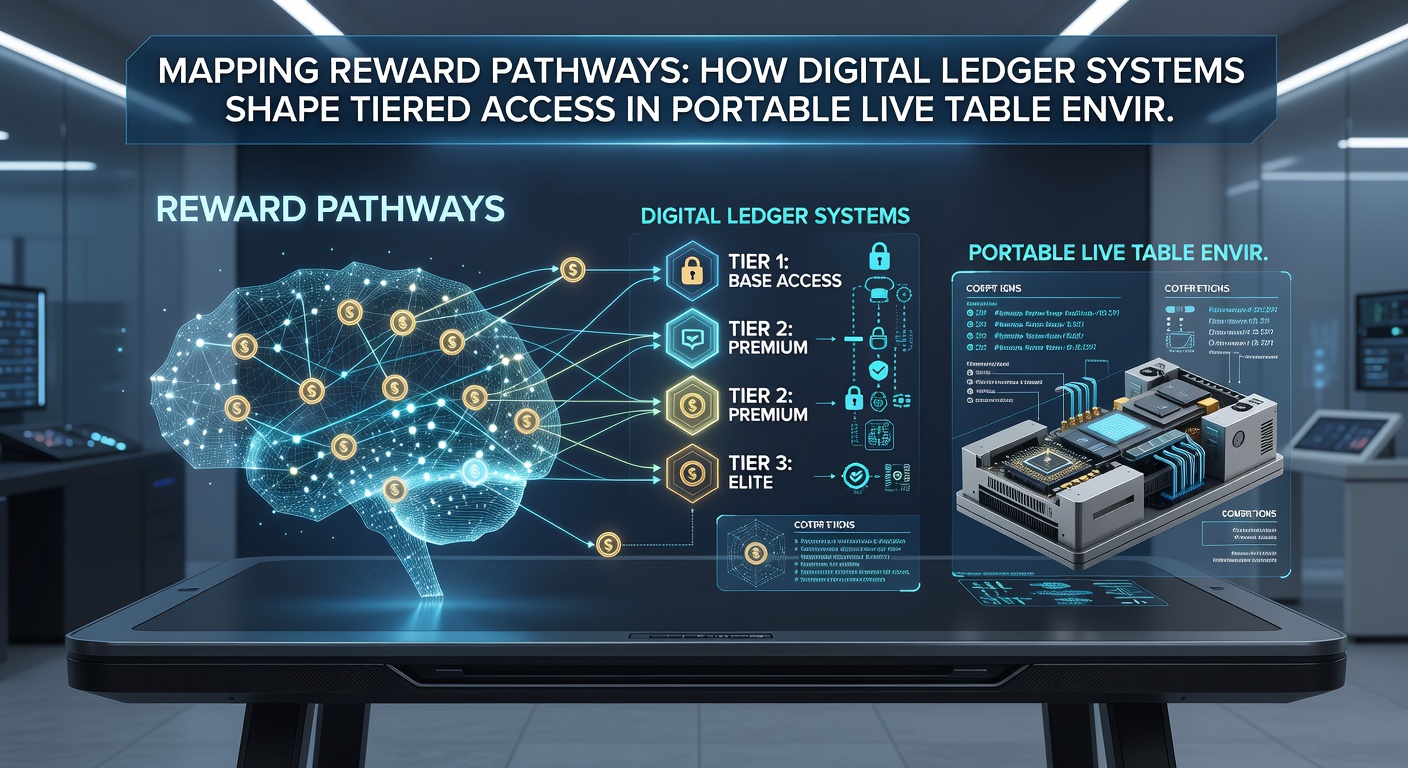
Regulatory bodies in multiple jurisdictions require operators to maintain auditable ledger trails for all tier-related decisions, and this includes verification that rewards align with recorded player behavior. According to information from iGaming Ontario, platforms must demonstrate that access tiers do not create unfair advantages derived from incomplete data sets. Technical standards from organizations such as the European Gaming and Betting Association outline minimum requirements for ledger security in portable environments, and these guidelines address encryption of mobile data streams that feed into reward calculations.
Updates rolled out in early 2026 incorporated enhanced node synchronization for live table sessions, and this change addressed delays that previously affected tier visibility during peak usage. The adjustments ensured that reward pathways reflected the most recent ledger entries without requiring players to restart applications or reconnect manually.
Conclusion
Digital ledger systems continue to define how reward pathways translate into tiered access within portable live table environments, and the resulting structures rely on verifiable transaction records to allocate benefits consistently. Ongoing refinements in May 2026 and beyond focus on expanding compatibility across devices while preserving the integrity of mapped data flows. These developments provide operators with reliable methods to manage player progression based on documented activity rather than isolated metrics.