Patterns Linking Digital Wallet Preferences to Tiered Live Dealer Access in Regional Mobile Wagering Networks
Written by Carlo Albrecht · Jul 1, 2026
Patterns Linking Digital Wallet Preferences to Tiered Live Dealer Access in Regional Mobile Wagering Networks
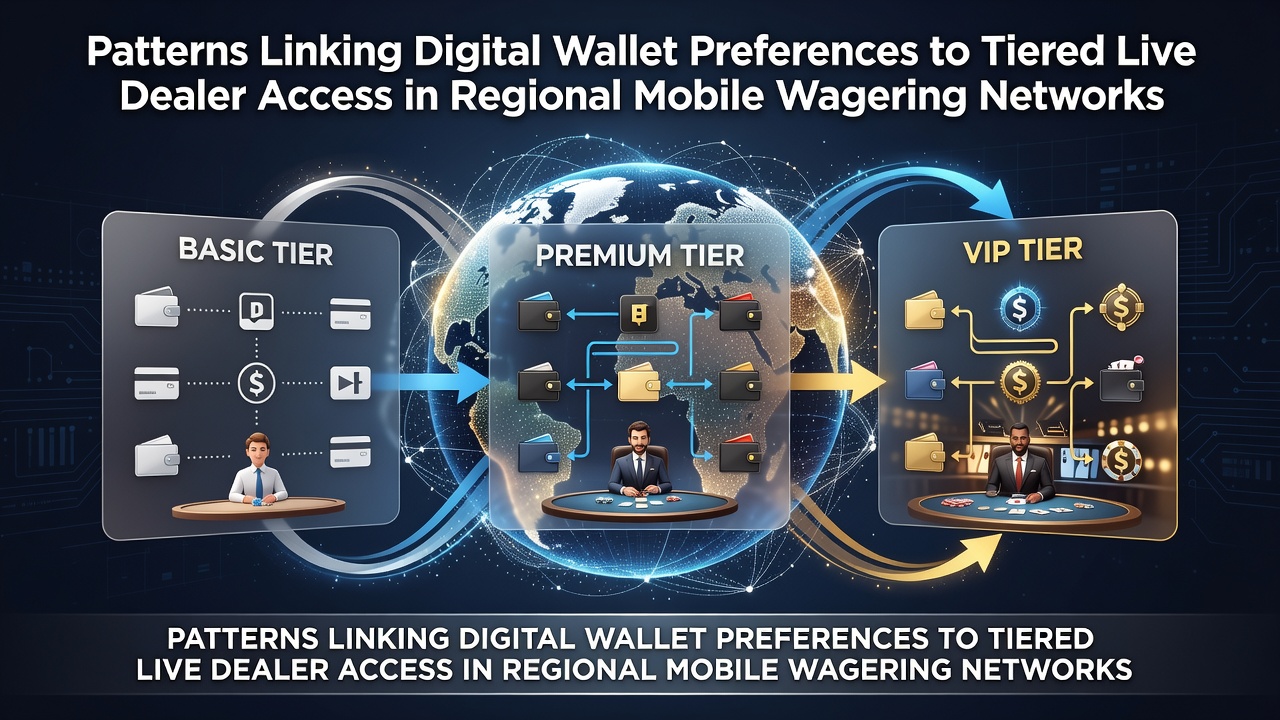
Regional mobile wagering networks have shown measurable connections between the digital wallets users select and the levels of access granted to live dealer tables. Data compiled across multiple jurisdictions reveals that certain payment preferences align with higher or lower tiers in loyalty structures, affecting which live dealer variations become available during app sessions. Observers tracking these systems note that e-wallet adoption rates differ sharply by region, and those differences often correspond to how platforms segment live dealer rooms. In markets where instant transfer options dominate, users frequently unlock mid-level tables featuring regional rule variations, while slower settlement methods keep participants in entry-level environments with fewer customization choices.Regional Variations in Wallet Integration
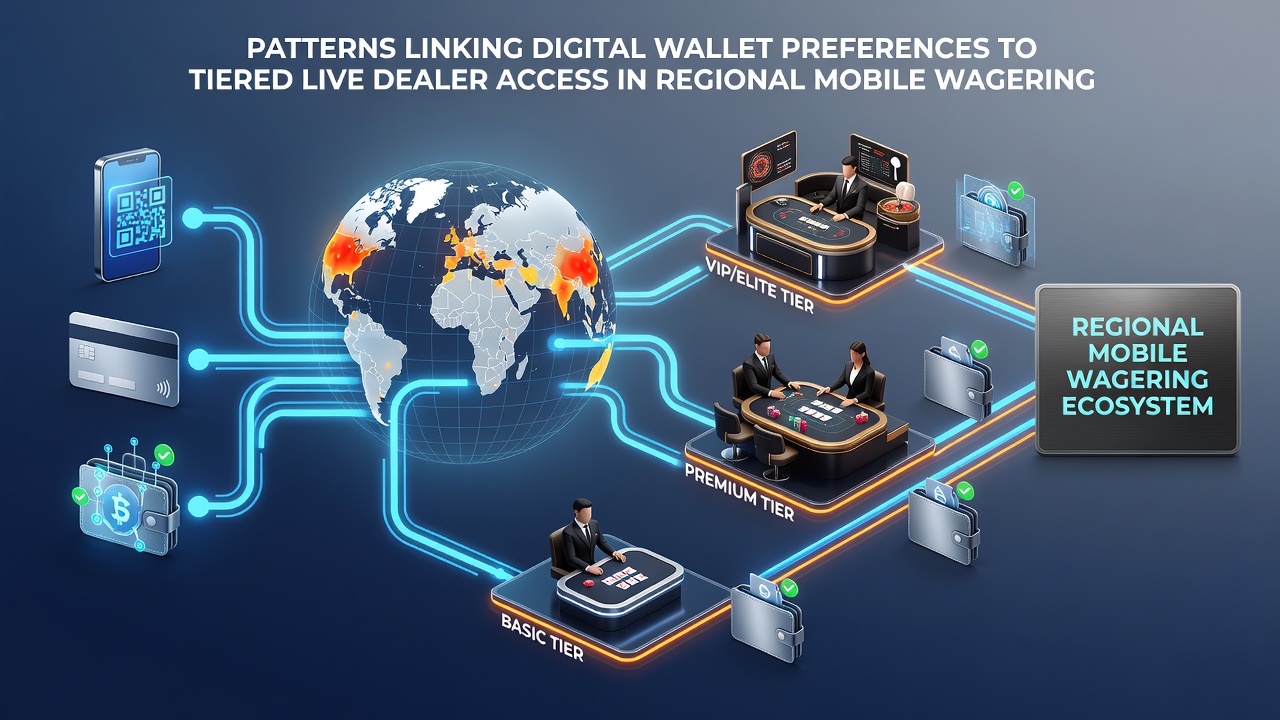
North American networks, particularly those operating under state-regulated frameworks in the US, demonstrate strong ties between cryptocurrency-enabled wallets and premium live dealer access. Figures released in July 2026 indicate that platforms in states with established mobile licensing report higher percentages of users opting for blockchain-based transfers when pursuing invitation-only blackjack or roulette variants. European markets, by contrast, lean toward established digital wallet brands that integrate with loyalty points systems, granting quicker progression to private live dealer sessions.
Asia-Pacific operators show yet another pattern. Here, local e-wallet services tied to regional banking apps correlate with access to culturally specific table games such as sic bo or fan tan in higher tiers. Researchers examining transaction logs across these networks find that wallet choice often determines whether a user receives real-time dealer chat privileges or exclusive betting limits during peak hours.
How Tiered Systems Function
Tiered live dealer access typically divides tables into bronze, silver, gold, and platinum categories based on deposit frequency, average session value, and payment method reliability. Digital wallets that complete verification within minutes tend to accelerate movement between these levels, because operators associate faster settlement with lower risk profiles. Slower or higher-fee wallets can delay tier advancement, even when total wagering volume remains comparable.
Industry reports document that users who maintain multiple wallet types often route high-value live dealer activity through their preferred instant-option wallet to maintain tier status. This behavior creates visible data clusters where wallet preference predicts table eligibility more reliably than raw deposit amounts alone.
Data Patterns Emerging in 2026
Analysis of July 2026 transaction datasets reveals consistent statistical links. In one large North American network, participants using certain digital wallets reached gold-tier live dealer access 34 percent faster than those relying on traditional card funding. Similar trends appear in Australian markets, where research from the Australian Gambling Research Centre shows that preferred local wallets align with higher rates of access to exclusive baccarat rooms.
Canadian provincial systems display parallel findings. Operators registered under Ontario's iGaming framework record that wallet verification speed influences eligibility for progressive jackpot live dealer tables. Those patterns hold after controlling for total handle, suggesting the payment rail itself carries predictive weight within algorithmic access models.
Examples from Specific Networks
One European operator documented that switching to a particular instant wallet increased the likelihood of receiving personalized live dealer invitations by a measurable margin. The same study tracked users across six months and found tier retention improved when the chosen wallet supported recurring micro-transfers without additional authentication steps.
In another case, a Southeast Asian network adjusted its tier algorithms after observing that certain regional wallets produced lower chargeback rates, resulting in faster elevation to platinum live dealer privileges. Users who continued with legacy options remained in mid-tier environments despite comparable activity levels.
Implications for Platform Design
Platform developers have begun embedding wallet preference signals directly into tier calculation engines. Rather than treating payment method as a neutral variable, algorithms now weight wallet type alongside wagering history when determining live dealer eligibility. This adjustment produces more stable tier populations while reducing instances where high-volume users stall at lower access levels due to payment friction.
Regulatory bodies in multiple jurisdictions continue monitoring these developments to ensure transparency around how payment choices influence game access. The patterns remain factual outcomes of existing system design rather than deliberate exclusion mechanisms.
Conclusion
The documented connections between digital wallet preferences and tiered live dealer access reflect operational realities within regional mobile wagering networks. As data collection improves, these relationships become clearer across markets, allowing operators and regulators to refine structures while maintaining consistent access rules based on verifiable transaction characteristics.