The Fusion of Virtual Tournament Structures with Standard Slot Mechanics Across Cryptocurrency-Enabled International Platforms
Written by Elena Simmons · Jun 29, 2026
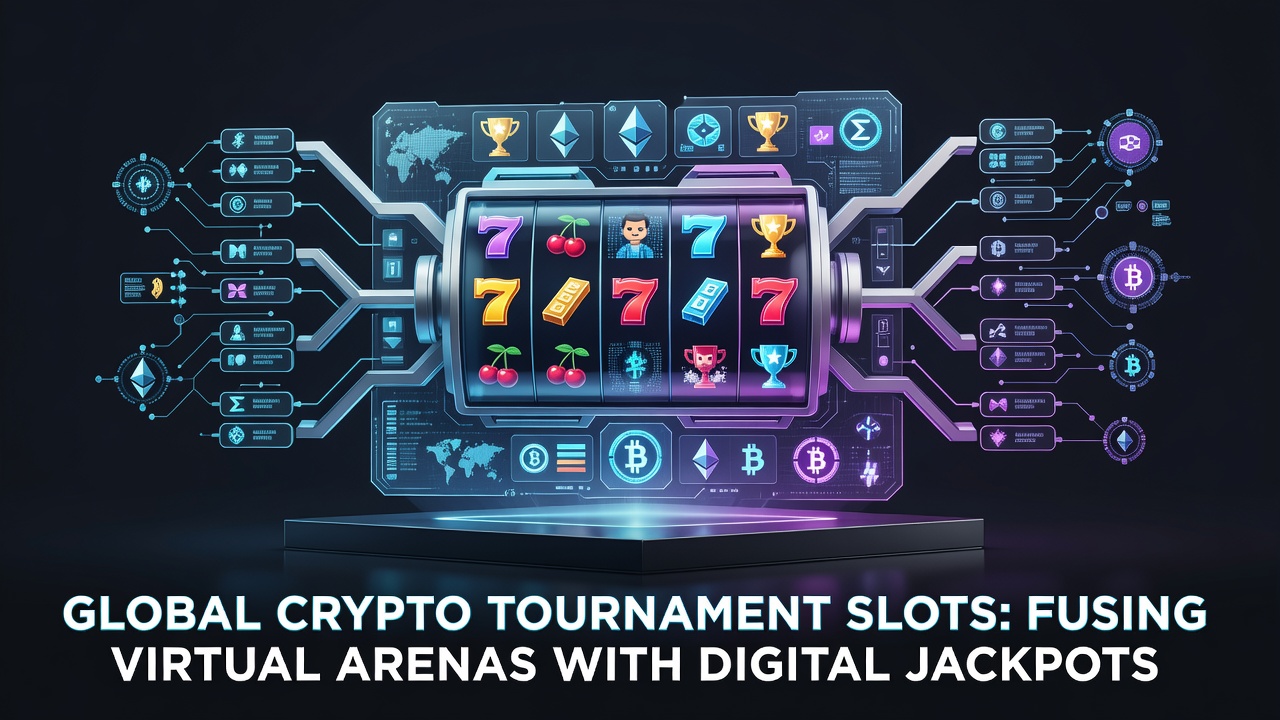
The Fusion of Virtual Tournament Structures with Standard Slot Mechanics Across Cryptocurrency-Enabled International Platforms
Virtual tournament structures have begun merging with classic slot mechanics on cryptocurrency platforms that operate across multiple jurisdictions, and this combination creates new formats where players compete in timed sessions while spinning reels in familiar ways. The approach layers competitive rankings onto base game elements like paylines, wild symbols, and bonus rounds, yet the core random outcomes remain unchanged.
Mechanics Behind the Integration
Standard slots generate results through random number generators that determine symbol combinations on each spin, while tournament overlays track player performance metrics such as total winnings or spin volume within a set window. Participants enter these events by committing cryptocurrency amounts that feed into shared prize pools, and rankings update in real time on digital leaderboards visible through platform interfaces. Data from industry reports shows that these hybrid models often use smart contracts to distribute rewards automatically once tournaments conclude, reducing manual processing steps.
Platforms in regions like Malta and parts of Asia have documented increased session lengths when tournaments run alongside regular play, because the competitive element encourages continued engagement without altering the underlying probability structures of individual games. Observers note that entry fees typically range from small fractions of a bitcoin to larger stablecoin amounts, depending on the prize tier.
Cryptocurrency Role in Cross-Border Access
Cryptocurrency wallets enable direct transfers that bypass traditional banking delays, and this speed supports tournament formats that reset daily or weekly across time zones. International platforms accept assets like bitcoin, ethereum, and various stablecoins for both entries and payouts, which allows participants from different regulatory environments to join the same events. A study published by the International Gaming Institute at the University of Nevada highlights how ledger transparency helps verify prize distributions without revealing individual player identities beyond wallet addresses.
Transaction fees stay lower than credit card processing in many cases, and platforms pass some of those savings into larger prize pools. As of June 2026 several operators reported steady growth in multi-currency tournament participation following updates to wallet integration protocols.

Observed Patterns in Player Behavior
Research from European gaming analytics firms indicates that players often alternate between standard slot sessions and tournament entries within the same account, shifting strategies based on current leaderboard positions. Those who focus on high-volatility titles during competitions sometimes adjust bet sizes to chase bigger swings, while others stick to consistent low-stake spins to accumulate volume points. The patterns vary by region, with participants in North American time zones showing higher activity during evening hours when global pools reach peak numbers.
Platforms maintain separate leaderboards for different game categories so that slot-specific tournaments do not overlap with table game events, and this segmentation helps keep competition balanced. Figures from the Canadian Gaming Association reveal that average prize pool sizes grew by measurable margins in the first half of 2026 as more operators adopted the combined format.
Regulatory Considerations Across Jurisdictions
Operators must align tournament rules with local gambling statutes, and cryptocurrency usage adds layers of compliance around anti-money laundering checks that rely on blockchain analytics tools. In jurisdictions such as those overseen by the Malta Gaming Authority and certain Australian state regulators, platforms submit regular reports that detail how tournament entries are recorded and how funds move through digital ledgers. These requirements ensure that prize awards remain traceable even when players use privacy-focused coins.
Some markets require age verification and spending limits that apply equally to tournament entries and regular play, while others focus on responsible gaming prompts that appear during extended sessions. International coordination remains limited, yet platforms often restrict access from certain countries through geofencing tied to IP detection.
Technical Implementation on Global Platforms
Backend systems combine existing slot servers with tournament management modules that pull real-time data from each spin, and these modules calculate rankings without interfering with the random number generation process. Mobile applications display both the slot reels and the live standings side by side, while desktop versions sometimes use additional screen space for detailed statistics. Updates rolled out in early 2026 introduced faster synchronization across servers located in different continents, which reduced latency for players joining from distant locations.
Security protocols encrypt wallet connections and tournament data streams separately, and regular audits by third-party firms verify that no manipulation occurs between the game logic and the ranking calculations. This dual-layer approach supports the continued operation of these hybrids on cryptocurrency-enabled networks.
Conclusion
The combination of virtual tournament structures and standard slot mechanics on cryptocurrency platforms continues to evolve through technical refinements and regulatory adaptations across borders. Data collected through mid-2026 shows consistent participation levels in regions where such formats operate under established licensing frameworks, and the use of digital assets streamlines entry and payout processes. Future developments will likely depend on how platforms balance competitive features with compliance obligations in each market they serve.