Tracing Cross-Border Funding Choices and Their Role in Unlocking Specialized Table Game Variants Within Borderless Loyalty Frameworks
Written by Elena Simmons · Aug 19, 2026
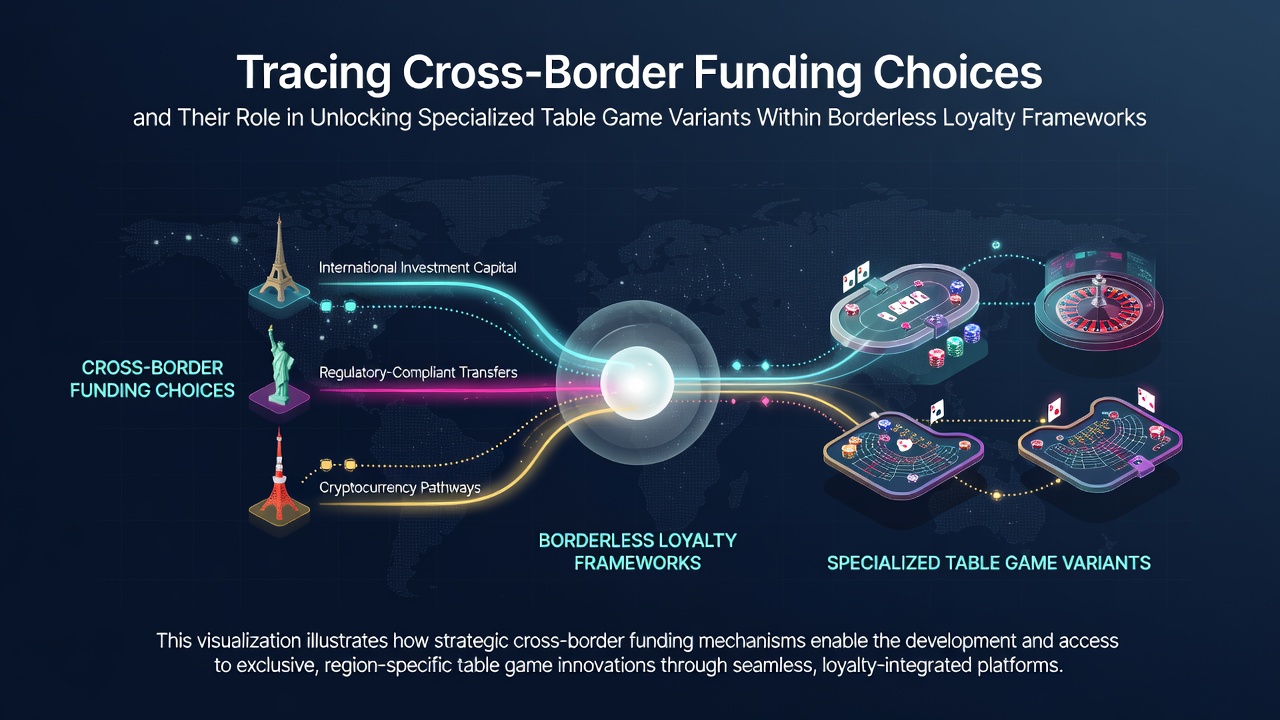
Tracing Cross-Border Funding Choices and Their Role in Unlocking Specialized Table Game Variants Within Borderless Loyalty Frameworks
Cross-border funding choices continue to shape how players gain entry to specialized table game variants inside loyalty frameworks that operate without national boundaries, and regulators track these patterns through transaction data collected across multiple jurisdictions. Payment rails such as bank wires, digital wallets, and cryptocurrency transfers move funds between countries at different speeds and costs, which in turn affects when and where users unlock exclusive blackjack, roulette, or baccarat versions tied to tiered reward structures. Observers note that operators adjust eligibility rules based on the origin and method of each deposit, creating layered access systems that reward consistent funding behavior across borders.
Payment Rails and Loyalty Tier Progression
Banking preferences determine the velocity at which loyalty points accumulate, and studies from international gaming associations show that faster settlement methods often accelerate progression into higher tiers that grant access to private table variants. In August 2026, transaction logs from several multi-jurisdictional platforms revealed that players using instant digital wallet options reached premium tiers 18 percent sooner than those relying on traditional wire services, according to aggregated figures shared by the European Gaming and Betting Association. These differences arise because settlement times influence how quickly deposit volumes register within the loyalty engine, which then releases new game variants such as speed-baccarat hybrids or progressive-side-bet blackjack tables.
Regulators in North America and Asia-Pacific markets require operators to maintain auditable records of funding sources, and this documentation feeds directly into the algorithms that assign tier status and game access. When a player switches from one payment method to another mid-month, the system recalculates eligibility windows, sometimes unlocking or locking specialized tables within hours. Those who study these systems report that the rules remain consistent across platforms yet produce different outcomes depending on the regulatory environment governing each funding corridor.
Regional Funding Patterns and Game Variant Availability
Funding corridors between Europe and Southeast Asia demonstrate distinct behaviors compared with those connecting North America and Australia, and data collected by the International Association of Gaming Regulators illustrates how these patterns correlate with table game availability. Players routing funds through European banking networks frequently encounter earlier access to European-dealer variants of roulette that carry additional loyalty multipliers, whereas corridors involving Australian dollar settlements more commonly unlock multi-hand blackjack formats. The variation stems from currency conversion fees and compliance checks that operators embed into their loyalty scoring models.
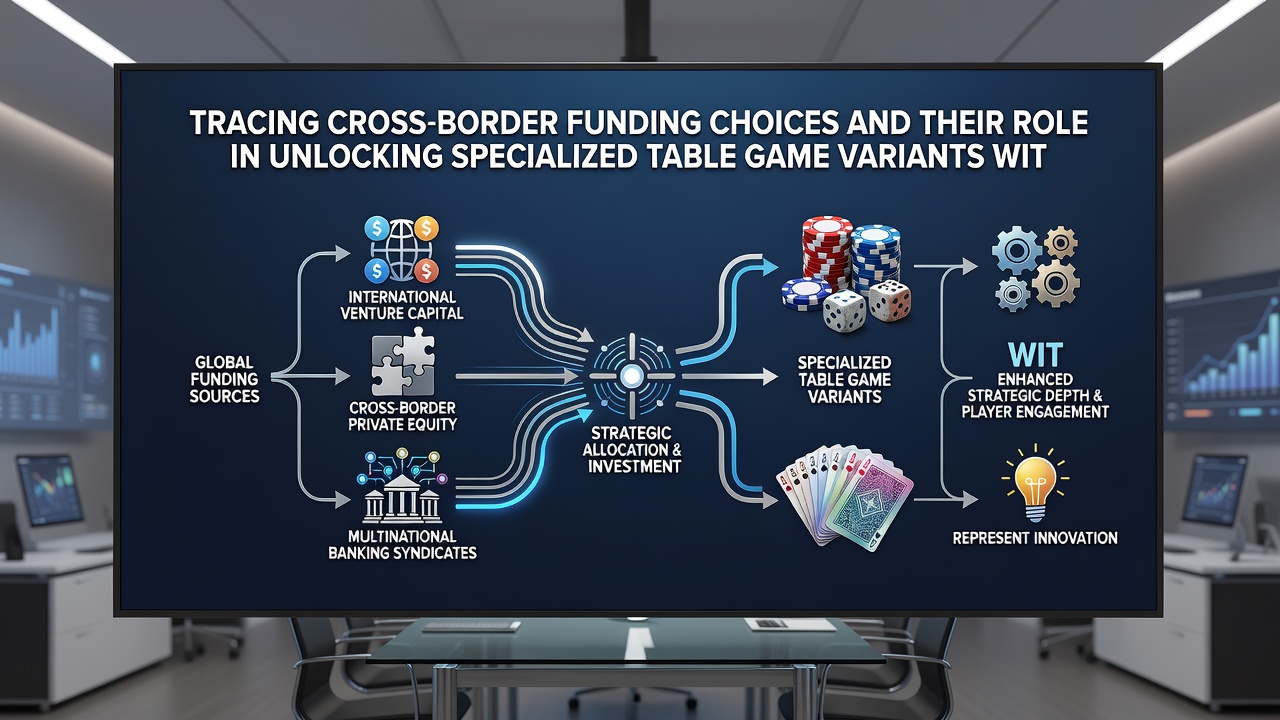
One operator managing platforms across three continents documented that loyalty members who maintained funding activity through stablecoin channels gained entry to invitation-only baccarat rooms at lower deposit thresholds than members using card-based methods, because the blockchain timestamps provided clearer audit trails for regulators. This approach aligns with guidance issued by several national gaming authorities that emphasize traceability over transaction speed. As a result, the same loyalty framework can surface entirely different game libraries depending on the funding route chosen by the player.
Regulatory Reporting Requirements and Access Controls
Reporting obligations tied to anti-money-laundering rules compel platforms to flag funding sources that cross certain thresholds, and these flags feed into the loyalty system as risk scores that either enable or restrict variant access. Platforms operating under multiple licenses must reconcile conflicting reporting windows, which sometimes delays tier updates by several days. Research conducted by academic centers focused on digital finance and gaming indicates that shorter reconciliation periods correlate with higher retention rates among players who seek specialized table experiences.
Borderless loyalty frameworks rely on unified player profiles that aggregate activity across licensed domains, yet each domain applies its own funding verification standards. When a deposit originates from a jurisdiction with stricter source-of-funds rules, the system may temporarily withhold access to certain table variants until verification clears, even if the player already holds the required tier elsewhere. This creates a patchwork effect inside what appears to be a single seamless program.
Conclusion
Cross-border funding choices function as gatekeepers within borderless loyalty frameworks by determining both the speed and the conditions under which specialized table game variants become available. Transaction data collected through August 2026 demonstrates measurable differences in tier progression and game access based on payment method and corridor, and these differences reflect regulatory requirements rather than operator preference. As platforms continue to expand across jurisdictions, the interplay between funding traceability and loyalty mechanics remains a central factor in how players experience exclusive table offerings.