Tracing How Banking Preferences Unlock Hidden Features in Global Mobile Live Dealer Setups
Written by Ines Griffin · Jul 11, 2026
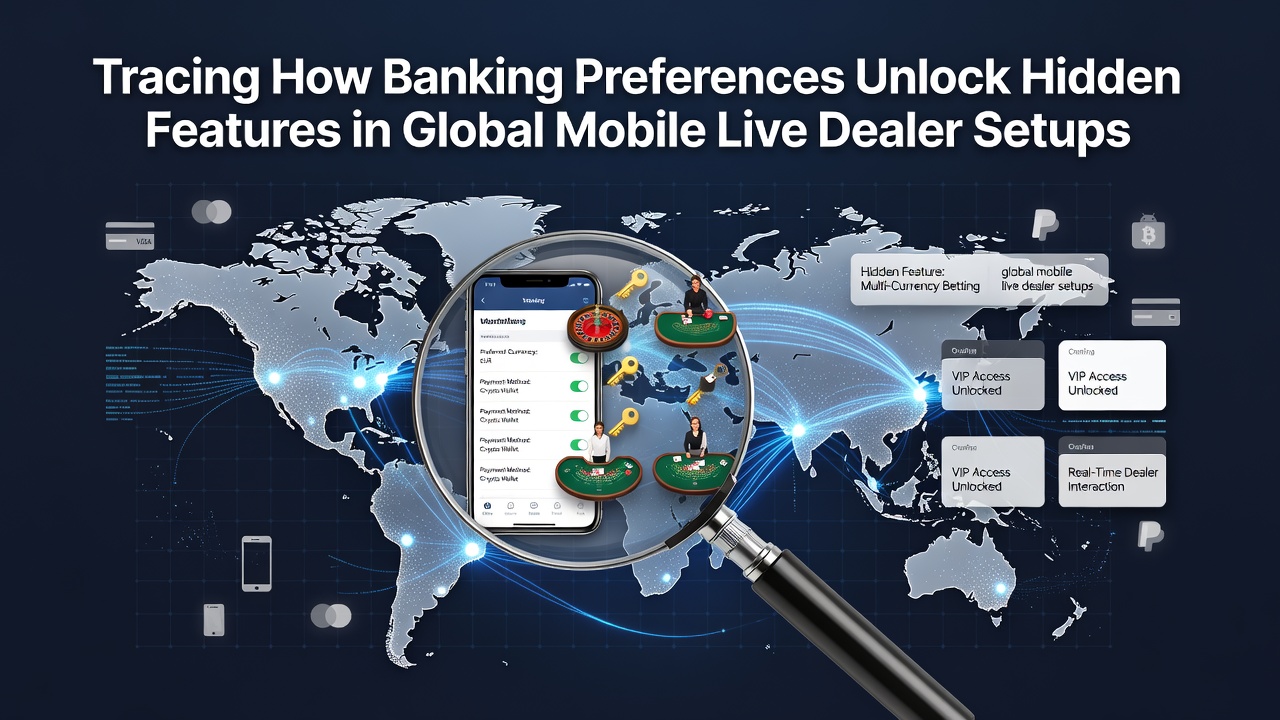
Tracing How Banking Preferences Unlock Hidden Features in Global Mobile Live Dealer Setups
Banking preferences play a central role in determining which features become available within global mobile live dealer environments, and data from multiple markets shows clear patterns in how payment selections influence access levels. Observers note that users who route transactions through specific e-wallets or regional processors often gain entry to private tables, accelerated reward tiers, and custom dealer interactions that remain locked for those relying on standard card methods. These distinctions emerge because operators tie backend eligibility rules directly to transaction metadata, creating layered experiences that vary by geography and provider type.
Payment Pathways and Feature Activation
Studies of app-based platforms reveal that certain banking routes trigger hidden mechanics such as priority queue placement for popular live blackjack rooms or eligibility for side-bet variations unavailable through conventional deposits. In July 2026, industry reports documented increased adoption of localized digital wallets across Southeast Asian markets, where these methods simultaneously satisfy regulatory reporting and unlock progressive jackpot pools tied to live roulette streams. Users selecting bank transfers with higher verification thresholds frequently receive extended session credits and real-time analytics overlays that track dealer patterns, while instant card options bypass those layers entirely.
Regional Differences in Access Rules
Across North American jurisdictions, data indicates that state-licensed operators connect banking preferences to loyalty segmentation in distinct ways. Mobile users in regulated environments who complete deposits via approved processors gain automatic entry to invitation-only baccarat variants featuring higher betting ceilings. Meanwhile, European platforms often link SEPA transfers to cross-border feature sets that include multi-language dealer tables and synchronized tournament entry. Observers tracking these systems note that transaction speed and verification depth directly correlate with the depth of available customization, from avatar integrations to exclusive chat moderation tools.
What's interesting is how these mechanisms extend into emerging markets where local banking integrations dominate. In parts of Latin America, operators have aligned mobile wallet preferences with region-specific live dealer studios, granting users who fund accounts through domestic providers access to culturally tailored game variants and bonus multipliers calculated in real time. Researchers examining transaction logs find that these preferences also influence eligibility for seasonal promotions, such as extended play credits during major sporting events that coincide with live dealer broadcasts.
Technology Behind the Unlocks
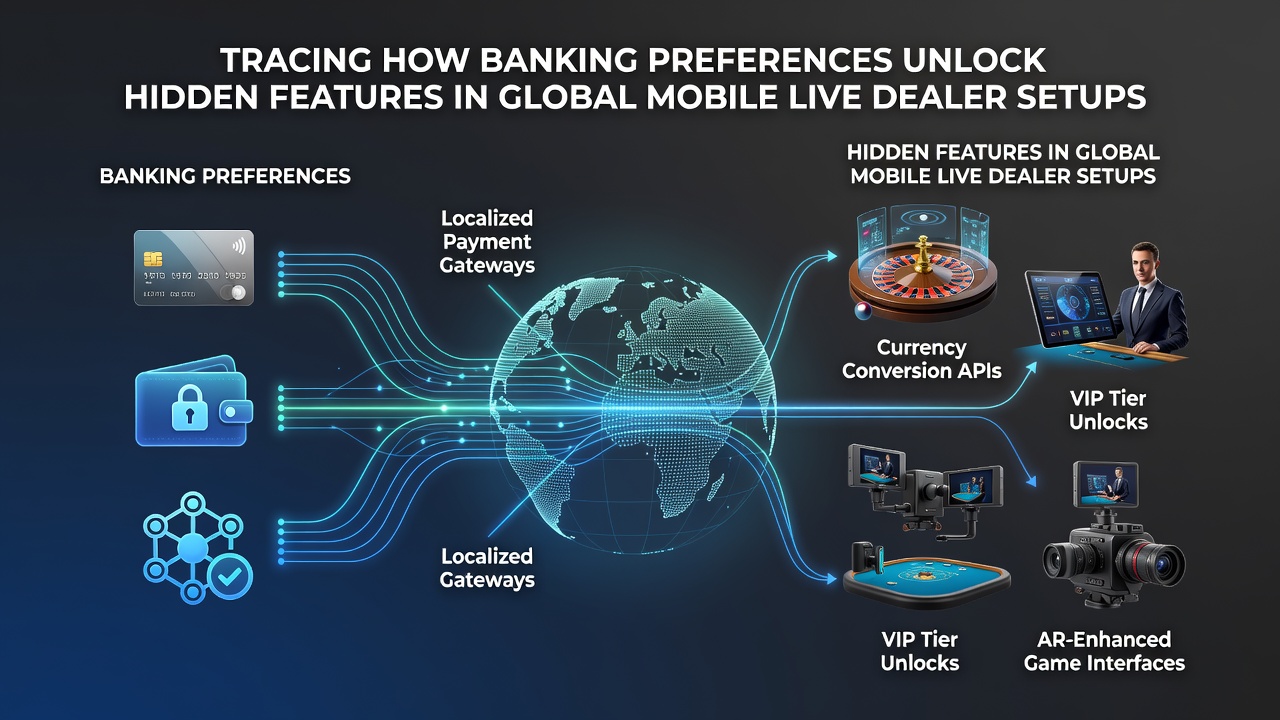
Backend systems employed by global operators rely on API connections between payment gateways and game servers to flag eligible accounts immediately upon successful processing. This architecture allows preferences for certain digital ledgers or prepaid instruments to activate progressive reward mechanisms without additional user input. Evidence from platform audits shows that cryptographic verification methods tied to specific banking partners further enable features like private table reservations and dealer note-sharing capabilities, which standard payment flows do not trigger.
According to figures released by the New Jersey Division of Gaming Enforcement, mobile live dealer activity in 2026 demonstrated measurable upticks in engagement metrics when accounts utilized verified digital wallet pathways compared with direct card processing. These patterns hold across multiple operators and point to deliberate design choices that reward banking consistency with deeper platform access. In parallel, reports from the Australian Institute of Criminology highlight how similar preference-based gating appears in Asia-Pacific deployments, where local banking rails determine eligibility for cross-studio live events.
Examples from Operating Markets
One documented case involves a Southeast Asian operator that mapped e-wallet deposits to tiered live dealer access, resulting in users gaining simultaneous entry to high-limit tables and personalized statistical dashboards. Another instance from Canadian regulated environments shows that certain prepaid card preferences automatically enroll accounts in loyalty structures offering exclusive dealer interactions during peak hours. These cases illustrate consistent mechanics rather than isolated anomalies, as transaction origin and processor type feed directly into eligibility algorithms governing feature visibility.
Additional layers emerge when operators integrate multi-currency support, where banking preferences in one denomination unlock conversion bonuses applicable only within live dealer sessions. Data from these integrations indicates reduced friction for users who maintain consistent payment profiles across sessions, leading to higher retention of advanced interface elements such as multi-view dealer cameras and real-time strategy overlays. The connections between payment metadata and gameplay depth continue to evolve as platforms refine their segmentation logic.
Conclusion
Patterns traced across global mobile live dealer setups demonstrate that banking preferences serve as reliable indicators for feature eligibility, with operators embedding these rules into core system architecture. Regional variations reflect local regulatory and infrastructure realities, yet the underlying principle remains consistent: transaction characteristics determine which elements of the live experience become visible and usable. As platforms continue integrating new payment options through mid-2026 and beyond, the mapping between preferences and hidden capabilities is expected to grow more granular while maintaining the same foundational logic.