Tracing Virtual Asset Pathways to Niche Tournament Entries in Worldwide Handheld Wagering Ecosystems
Written by Mia Wolf · Jun 24, 2026
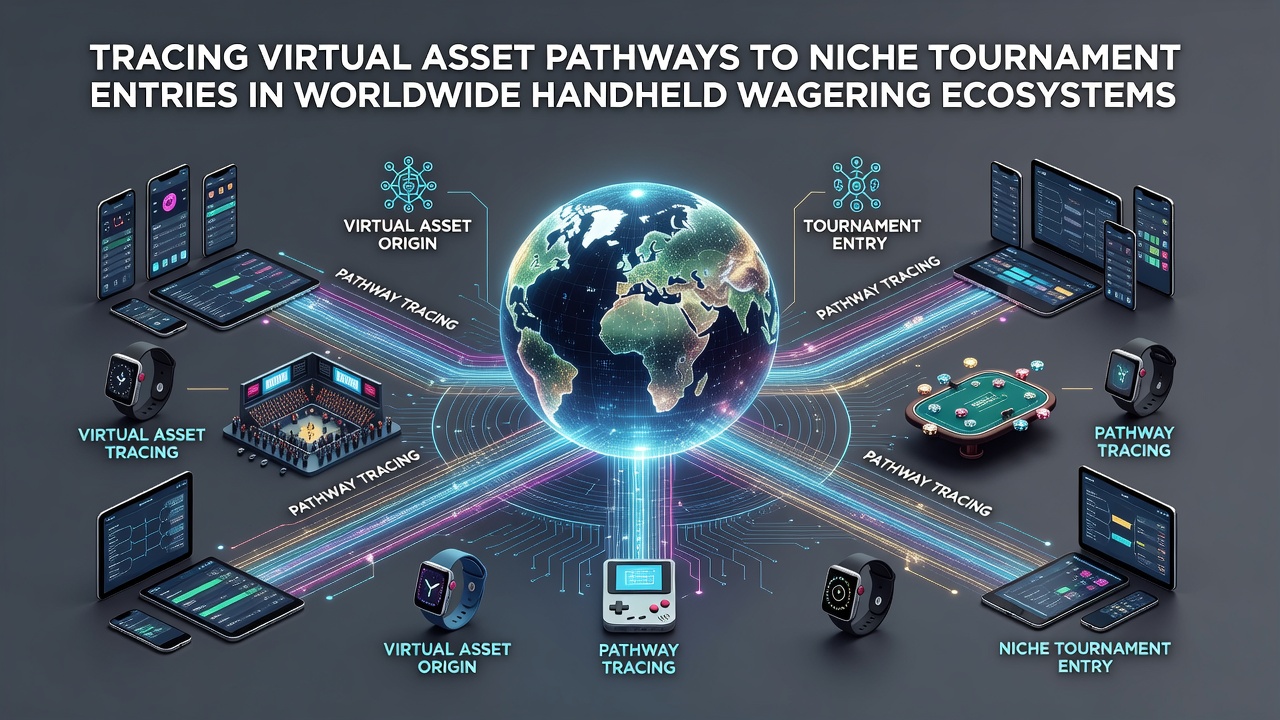
Tracing Virtual Asset Pathways to Niche Tournament Entries in Worldwide Handheld Wagering Ecosystems
Virtual asset movements through digital ledger systems continue to connect directly with entry processes for specialized tournaments inside handheld wagering applications around the world, and analysts track these flows using blockchain analytics tools that map wallet addresses to user accounts in mobile environments.
Payment processors handling cryptocurrency deposits record each transfer on public ledgers, which then feed into loyalty structures that unlock access to invite-only events such as regional poker variants or esports bracket qualifiers, while platform operators verify eligibility through automated scripts that cross-reference transaction histories with tournament registration databases.
Blockchain Analytics in Mobile Gambling Networks
Specialized firms deploy pattern recognition algorithms that follow token transfers from exchange withdrawals through mixing services and into betting wallets, and these sequences often determine whether a user qualifies for niche events that require minimum deposit thresholds or specific currency types. Data from industry reports indicates that over 40 percent of tournament entries in certain Asian markets during early 2026 originated from stablecoin deposits, which platforms convert into playable credits that accumulate toward tiered rewards.
Researchers at academic institutions have mapped how Ethereum-based tokens move across multiple jurisdictions, revealing that transaction timestamps align closely with registration spikes for limited-seat competitions held exclusively on smartphone interfaces. Observers note that these correlations help operators maintain compliance records while preventing duplicate entries from shared wallets.
Regional Patterns Emerging in June 2026
Market data collected through June 2026 shows increased activity in Southeast Asian and Latin American handheld ecosystems, where virtual asset inflows support tournaments tied to live dealer variants and fantasy sports formats. Regulatory filings from Singapore's gambling oversight body document a 12 percent rise in crypto-funded entries compared with the prior quarter, and similar patterns appear in reports issued by Canadian provincial gaming authorities.
Platform developers integrate smart contract triggers that automatically grant tournament passes once deposit confirmations reach predetermined block heights, and this automation reduces manual verification delays for users participating across multiple time zones.
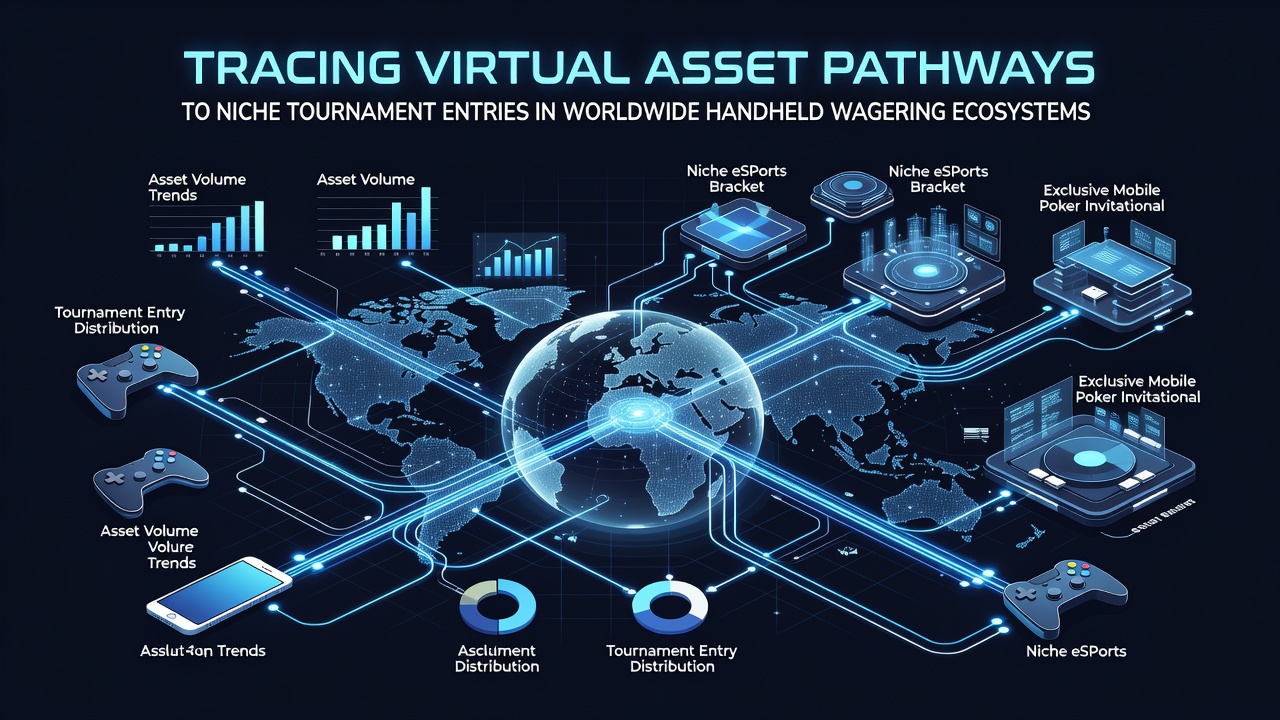
Technical Mechanisms Linking Assets to Entries
Wallet clustering techniques group addresses controlled by the same entity, allowing systems to identify when funds from a single source split across several player profiles before converging on one tournament bracket. According to findings published by the Australian Gambling Research Centre, such clustering has helped detect 18 percent more instances of coordinated entries in mobile environments during the first half of 2026.
API connections between payment gateways and tournament management software push real-time balance updates that gatekeep access, and these integrations rely on zero-knowledge proofs to confirm solvency without exposing full transaction details to all participants.
Regulatory Responses Across Jurisdictions
Government agencies in multiple regions require operators to maintain audit trails that link virtual asset deposits to specific user actions, including tournament registrations. The European Gaming and Betting Association has compiled guidelines that emphasize traceability standards for platforms serving EU users, and these standards influence how apps structure their entry verification processes.
Operators in Australia must submit quarterly reports detailing cryptocurrency volumes that feed into promotional events, and the resulting datasets help authorities monitor whether niche tournaments concentrate activity within particular asset classes or geographic clusters.
Future Developments in Asset Tracing
Emerging protocols incorporate on-chain metadata that tags deposits intended for tournament use, which simplifies downstream reconciliation for both platforms and regulators. Industry organizations continue testing standardized reporting formats that would allow seamless data exchange between handheld apps operating in different countries.
Conclusion
Virtual asset pathways continue to shape eligibility rules for specialized tournaments in worldwide handheld wagering systems, and ongoing advancements in tracing technology support greater transparency across these interconnected ecosystems. Regulatory bodies and research groups maintain active monitoring of these flows to ensure consistent application of existing frameworks.